Browsed by
Author: Romo Valentinus Bayuhadi Ruseno OP

Reclining

Reclining

17th Sunday in Ordinary Time [B]
July 25, 2021
John 6:1-15

The miracle of the multiplication of the bread is one of the few stories recorded by the four evangelists. The event must be impressively memorable and powerful for the disciples and other witnesses. Why did the four evangelists opt to include this story in their gospels?

There are many possible motives, but one apparent reason is that the story of the multiplication of the bread serves as a sign to the greater miracle, the Eucharist. If we try to observe the story’s details, we will discover some striking similarities with the Last Supper of the Lord, the first Eucharist. One particular action is that Jesus ordered them to recline. To ask a classroom of 40 students to take their seats is a tough job, and here Jesus asked five thousand men not only to sit but to recline! Yet, John the evangelist did not tell us that the people turned to be chaotic, and all seemed to be fine and smooth.

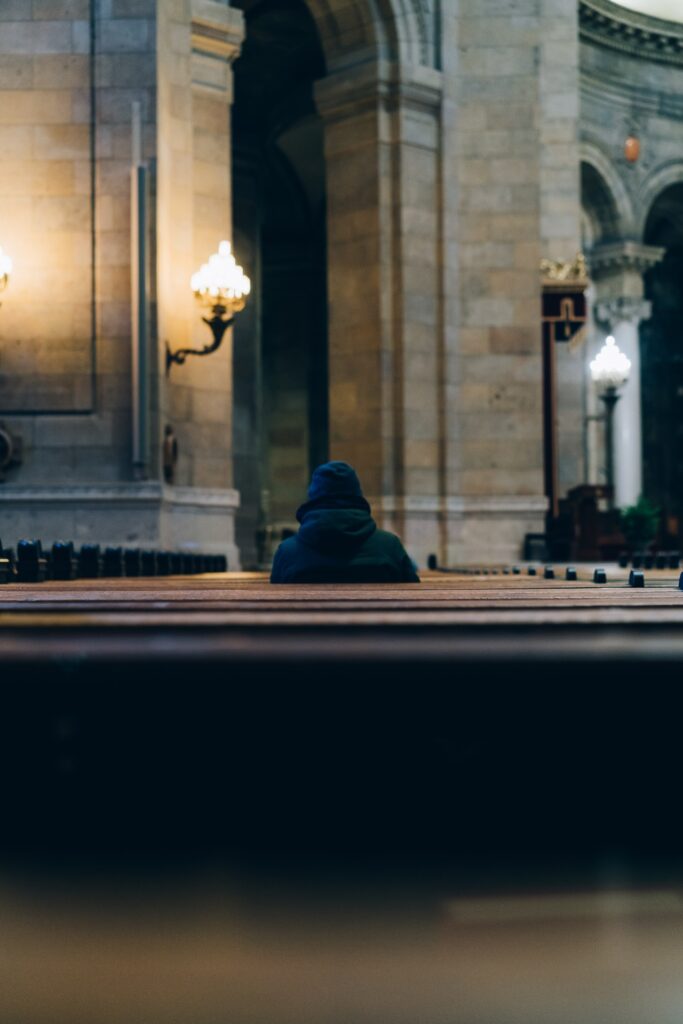
photocredit: Natashya Vaitkevich

This gesture of reclining seems to be ordinary, yet in ancient times, to recline is to be able to rest, and in fact, it is the gesture of a freeman. Slave was expected to serve when their masters eat, and they would spend most of their time doing labor. Thus, they did not have much time to enjoy their meals, lest to recline. By asking the people to recline, Jesus was giving them the rest they truly desired.

The gesture of reclining while enjoying the food was a typical ancient way to have a banquet. The host and the guests would share a low table that they may recline, consume the meals, share stories, and enjoy the entertainment. Jesus Himself often was invited to attend such banquets [see Luk 7:36]. By asking the people to recline and offer them food, Jesus acted as the host of a great feast, and the people were His honored guests.

Lastly, when Jesus took the bread, gave thanks, and gave it to the people, our catholic instinct should immediately tingle. These are the actions in the Eucharist. Yet, St. John added another essential detail: reclining. The gesture of reclining is the same gesture the disciples had in the Last Supper [See John 13:12]. In a sense, the people who reclined and received the bread from Jesus were sharing in the first the Eucharist of Jesus.

Every time we participate in the Eucharist, indeed, we are expected not to recline on the altar! Yet, we receive even greater gifts than five thousand people from the gospel. Not only do we have a break from our works and chores on Sunday, but we enjoy the proper rest in God. We are reminded that our purpose is not simply here on earth but in God. Not only do we attend a religious service, but we become part of the divine banquet of God’s children. We do not slave to our works, to this world, to the power of darkness, but men and women freed by God’s grace. Not only do we partake in physical food, but the bread of life, Jesus Christ Himself. Indeed, the Eucharist is heaven on earth.

Valentinus Bayuhadi Ruseno, OP
Duduk

Duduk

Minggu Biasa ke-17 [B]
25 Juli 2021
Yohanes 6:1-15

Mukjizat penggandaan roti adalah salah satu dari sedikit cerita yang dicatat oleh keempat penginjil. Tidak bisa disangkal bahwa peristiwa ini pasti sangat mengesankan bagi para murid dan saksi-saksi sehingga mereka tidak bisa melupakannya. Namun, dari sekian banyak cerita tentang Yesus, mengapa keempat penginjil sepakat untuk memasukkan kisah ini dalam Injil mereka?

Ada banyak kemungkinan, tetapi satu alasan utama adalah bahwa kisah penggandaan roti berfungsi sebagai tanda yang merujuk pada mukjizat yang jauh lebih besar, Ekaristi. Jika kita mencoba mengamati detail cerita ini, kita akan menemukan beberapa kesamaan yang mencolok dengan yang terjadi dalam Perjamuan Terakhir Tuhan, Ekaristi pertama. Dikatakan dalam Injil, Yesus mengambil roti, memecah-mecahkannya, mengucap syukur [Bahasa Yunani – eucharistesas], dan memberikannya. Aksi-aksi yang sama dilakukan Yesus saat Ekaristi pertama.

Namun ada satu tindakan khusus yang Yesus perintahkan orang banyak untuk lakukan: duduk. Tidak ada yang aneh dengan posisi duduk, tetapi jika kita cermati kata Yunani yang digunakan, kita akan mengerti bahwa Yesus meminta orang-orang tidak untuk duduk biasa, tetapi duduk dengan bersandar, atau duduk santai.

Gerakan duduk santai ini tampaknya biasa-biasa saja, namun pada zaman kuno, duduk semacam ini adalah untuk dapat beristirahat dan bersantai, dan pada kenyataannya, ini adalah gerakan dan postur orang merdeka saat mereka makan. Berbeda dengan seorang budak yang akan melayani ketika tuannya makan, dan mereka akan menghabiskan sebagian besar waktu mereka untuk bekerja, sehingga, mereka tidak punya banyak waktu untuk menikmati makanan mereka dan bersantai. Dengan meminta orang-orang untuk berbaring, Yesus memberi mereka istirahat yang benar-benar mereka inginkan.

Sikap duduk bersandar sambil menikmati makanan adalah cara kuno yang khas untuk mengadakan perjamuan makan atau pesta. Tuan rumah dan para tamu akan berbagi meja rendah sehingga mereka dapat bersandar pada meja tersebut, menikmati makanan, berbagi cerita, dan menikmati hiburan. Yesus sendiri beberapa kali diundang untuk menghadiri perjamuan seperti itu [lihat Luk 7:36]. Dengan meminta orang-orang untuk berbaring dan menawarkan mereka makan, Yesus bertindak sebagai tuan rumah perjamuan besar, dan orang-orang itu adalah tamu kehormatan-Nya.

Terakhir, kita tahu bahwa tindakan-tindakan Yesus di mukjizat pelipat gandaan roti ini berhubungan erat dengan Ekaristi. Namun, St. Yohanes juga mengingatkan kita bahwa duduk bersandar juga berhubungan dengan Ekaristi. Gerakan duduk bersandar ini adalah gerakan yang sama yang dilakukan para murid dalam Perjamuan Terakhir [lihat Yohanes 13:12, kata Yunani ‘anapasein’]. Dalam arti tertentu, orang-orang yang duduk bersandar ini dan menerima roti dari Yesus ikut ambil bagian dalam Ekaristi Yesus yang pertama.

Setiap kali kita berpartisipasi dalam Ekaristi, tentunya kita diharapkan untuk tidak duduk bersandar dan santai-santai saja! Namun, kita menerima rahmat yang lebih besar dari lima ribu orang di Injil hari ini. Tidak hanya kita bisa beristirahat dari pekerjaan dan tugas-tugas kita pada hari Minggu, tetapi kita menikmati istirahat yang sejati di dalam Tuhan. Kita diingatkan bahwa tujuan kita bukan hanya di bumi ini, tetapi di dalam Tuhan. Tidak hanya kita menghadiri sebuah ibadah, tetapi kita menjadi bagian dari perjamuan ilahi. Kita bukan budak pekerjaan kita, dari dunia ini, dari kuasa kegelapan, tetapi pria dan wanita yang dimerdekakan oleh kasih karunia Tuhan. Tidak hanya kita mengambil bagian dalam makanan fisik, tetapi roti hidup, Yesus Kristus sendiri. Sungguh, Ekaristi adalah surga di dunia.

Valentinus Bayuhadi Ruseno, OP

True Rest

True Rest

16th Sunday in Ordinary Time [B]
July 18, 2021
Mark 6:30-34

Last week, we listened to the stories of Jesus sending His disciples. This Sunday, we discover that the disciples have performed well and made their report back to Jesus. The mission was hugely successful. Many people were healed, and they longed to hear the word of God. The disciples became an instant sensation, and many people wanted to see them.

However, the creator of our nature recognized that the disciples are also human and not a bunch of superheroes. Their bodies, just like ours, needed rest. Jesus knew well that the disciples would get burnt out without enough rest, and they would develop physical and emotional problems. Jesus understood how essential rest is. Thus, as the Good Shepherd, Jesus brought his disciples to have a proper rest.

Why do we need rests? It is just something natural. As our bodies produce energy to spend for our activities, they also come out with wastes. Resting like sleeping is one of the biological mechanisms to dispose of unhealthy by-products. During our rest, our body repairs itself and recharges itself. Without sleep, we will experience physical and mental problems like fatigue, headache, emotional imbalance, anxiety, decreased immune system, depression, inability to concentrate, and eventually death.

Many people are living in the cities, and the demands of works and life are immensely insane. People are forced to work extremely hard and stay longer at work. These lead to sleep deprivation and other health issues. Often, this kind of mentality influences how we do and perceive our religious life. On the one hand, we tend to see that going to the church is just another obligation and burden that we need to carry. It is just additional work for us. On the other hand, we are also inclined to treat and measure our services and worship by the same standards we have in our workplaces. However, we miss the point.

To understand better why we need a rest, we shall go back to the creation story in the book of Genesis. God created the world in six days, and on the seventh day, God rested. Did God feel tired and need a rest? Surely, the almighty God did not need to rest. Then, why God created the 7th day and rested? The answer is that the seventh day is a rest day for us, man and woman. God invited Adam and Eve to rest with Him on the seventh day. From here, we understand that resting is not simply about our biological needs, but it is the purpose why we are created: Resting with God. Our bodily rest is fundamentally a reflection of our spiritual rests.

When Jesus invited his disciple to rest with Him, it was not only a physical recharge but a spiritual unity with Jesus. This is the same with us now. Our prayer life, our ministries, our worship are manifestations of our spiritual rests and unity with the Lord. It is heaven on earth. It is also a preparation for us to receive eternal rest.

Valentinus Bayuhadi Ruseno, OP
photocredit: ricardo esquivel

Istirahat Sejati

Istirahat Sejati

Minggu Biasa ke-16 [B]
18 Juli 2021
Markus 6:30-34

Minggu lalu, kita mendengarkan kisah Yesus mengutus murid-murid-Nya. Minggu ini, kita menemukan bahwa para murid telah bekerja dengan baik dan membuat laporan mereka kepada Yesus. Misi mereka sukses besar. Banyak orang disembuhkan, dan mereka rindu mendengar firman Tuhan. Bahkan, para murid menjadi sensasi dan viral, dan banyak orang ingin melihat mereka.

Namun, Yesus, pencipta alam kita, mengakui bahwa para murid juga manusia dan bukan superheroes seperti Avengers atau Justice League. Tubuh mereka sama seperti kita semua membutuhkan istirahat. Yesus tahu betul bahwa tanpa istirahat yang cukup, para murid akan kelelahan dan mereka akan mengalami berbagai permasalahan fisik dan emosional. Yesus mengerti betapa pentingnya istirahat. Jadi, sebagai Gembala yang Baik, Yesus membawa murid-muridnya untuk beristirahat dengan baik.

Mengapa kita perlu istirahat? Kita bisa melihatnya dari sisi biologis. Saat tubuh kita memproduksi energi untuk digunakan untuk aktivitas kita, tubuh kita juga mengeluarkan dengan zat-zat ‘limbah’. Istirahat seperti tidur adalah salah satu mekanisme biologis untuk membuang produk sampingan yang tidak sehat ini. Selama istirahat, tubuh kita memperbaiki diri dan mengisi diri dengan energi baru. Tanpa tidur, kita akan mengalami masalah fisik dan mental seperti kelelahan, sakit kepala, ketidakseimbangan emosi, kecemasan, penurunan sistem kekebalan tubuh, depresi, ketidakmampuan untuk berkonsentrasi, dan akhirnya kematian.

Banyak orang tinggal di kota, dan tuntutan pekerjaan dan kehidupan sangat gila. Orang-orang dipaksa untuk bekerja sangat keras dan tinggal lebih lama di tempat kerja. Ini menyebabkan kurang tidur dan masalah kesehatan lainnya. Seringkali, mentalitas semacam ini mempengaruhi cara kita melakukan dan memandang kehidupan keagamaan kita. Di satu sisi, kita cenderung melihat bahwa pergi ke gereja hanyalah kewajiban dan beban yang harus kita pikul. Itu hanya pekerjaan tambahan bagi kami. Di sisi lain, kita juga cenderung memperlakukan dan mengukur pelayanan dan ibadah kita dengan standar yang sama yang kita miliki di tempat kerja kita. Kita merasa ibadah kita berhasil jika kita mendapatkan ‘sesuatu’ dari perayaan Ekaristi. Kita merasa pelayan kita berhasil jika kita berhasil mendapatkan lebih banyak anggota, subsribers, atau likes. Namun, jika kita berkutat pada mentalitas ini, kita kehilangan inti ibadah kita.

Untuk memahami lebih baik mengapa kita perlu istirahat, kita perlu kembali ke kisah penciptaan dalam kitab Kejadian. Tuhan menciptakan dunia dalam enam hari dan pada hari ketujuh, Tuhan beristirahat. Apakah Tuhan merasa lelah dan butuh istirahat? Tentunya, Tuhan Yang Mahakuasa tidak perlu beristirahat! Lalu, mengapa Tuhan menciptakan hari ke-7 dan beristirahat? jawabannya adalah hari ketujuh adalah hari istirahat bagi kita laki-laki dan perempuan. Tuhan mengundang Adam dan Hawa untuk beristirahat bersama-Nya di hari ketujuh. Dari sini, kita memahami bahwa istirahat bukan hanya tentang kebutuhan biologis kita, tetapi itu adalah tujuan mengapa kita diciptakan: Beristirahat bersama Tuhan. Istirahat tubuh kita pada dasarnya merupakan cerminan dari istirahat spiritual kita.

Ketika Yesus mengundang murid-murid-Nya untuk beristirahat bersama-Nya, itu bukan hanya sekedar recharge biologis tetapi kesatuan rohani dengan Yesus. Sejatinya, kehidupan doa kita, pelayanan kita, ibadah kita adalah manifestasi dari peristirahatan rohani kita dan kesatuan dengan Tuhan. Ini adalah surga di bumi. Itu juga merupakan persiapan bagi kita untuk menerima perhentian kekal.

Valentinus Bayuhadi Ruseno, OP

Mission for the Salvation of Sous

Mission for the Salvation of Sous

15th Sunday in Ordinary Time [B]
July 11, 2021
Mark 6:7-13

In today’s Gospel, Jesus called His disciples so that He may send them. Jesus commissioned them with threefold tasks: to drive out unclean spirits, preach repentance, and heal the sick with the anointing of the oil. Why did Jesus instruct these three missions? Jesus knew well that He dispatched the disciples not simply to teach faith or do some charitable services. Their real mission was to wage war against the real enemies of the kingdom of God: the kingdom of evil. To do this humanly impossible task, Jesus had entrusted them with divine authority over the demons and other fallen angels. Their mission was to destroy evil forces and win back people who lived under the influence of darkness. In short: the disciples were to win to souls.

When Jesus died on the cross and rose from the dead, He has definitively won the war against the kingdom of Satan, and He has decisively destroyed its leading forces. However, the battles and skirmishes were raging on. The devil and cohorts continued to assault humanity and tried to reclaim the souls that have been consecrated to God. Thus, Jesus made the mission of His disciples something lasting until He comes again. As He commissioned the Twelve, he also sends His disciples to continue the faith and win more souls for Christ.

Then, how do we live up to this call of Jesus? Do we need to precisely imitate the apostles like we need to fight demons head-on and exorcise the demoniacs? Do we have to go around and start anointing the sick people with oil? Must we preach repentance at every corner of the streets? The answer is yes and no. Some of us, indeed, heal the people by anointing with oil. These people are called priests. Some of us have a special charism to expel demons. Some of us have the gift that empowers them to preach repentance and bring people into tears.

However, there is one universal way to do this mission against the kingdom of darkness. It is to reject Satan and His works in our lives and societies. The first and real battle is within us, within our families, and then our communities. We reject those activities that related to occultism and superstitious beliefs. We also refuse to participate in evil and corrupt activities in our workplaces and societies. At least, we know that there is one soul we save, that is, our souls and the souls of our family.

When I become a priest, one mission entrusted to me is to give the sacrament of holy anointing for the sick. Among other sacraments, I find the most fulfilment in this sacrament. Through this sacrament, I am sure that I have participated in God’s saving work to bring this soul to heaven. However, in this pandemic, I realize that I cannot do much for our parishioners who are in critical condition due to covid-19. I wish I could do more, and the reality hurts. Yet, it does not mean we are hopeless. This is when we storm heaven with prayers and fasting for the salvation of souls, and we must not allow the power of darkness to take their chances.

Valentinus Bayuhadi Ruseno, OP

Translate »